
Compression Garments
169 products
Compression garments apply graduated pressure from the ankle or wrist upward to help support circulation, reduce swelling, and ease limb fatigue. This category includes socks, stockings, sleeves, and wraps for men and women across preventive, medical, and recovery use. Choose by body area and compression level, with 20 mmHg or higher typically requiring clinician guidance.
This is the broadest entry point for JOBST compression therapy. With 169 products, the category covers knee-highs, thigh-highs, pantyhose, waist-high garments, arm sleeves, gloves, and adjustable wrap systems. It is designed for people exploring compression for the first time as well as those managing chronic venous insufficiency, lymphedema, varicose veins, post-surgical recovery, or occupational leg fatigue. Each garment uses graduated compression engineering, meaning pressure is strongest at the farthest point from the heart and gradually decreases toward the torso. This gradient design may help encourage venous and lymphatic return over time while supporting daily comfort, mobility, and consistent, reliable wear.
How to Choose
First, identify the area that needs support—calf, thigh, full leg, arm, or hand. Next, match the compression level to your symptoms: 8–15 mmHg for mild fatigue, 15–20 mmHg for daily prevention and minor swelling, 20–30 mmHg for moderate varicose veins or post-procedure recovery, and 30–40 mmHg for severe venous disease or lymphedema under medical direction. Measure in the morning when limbs are least swollen, and consider donning aids for higher-compression styles.
Featured Styles in This Category
JOBST Athletic Knee High 8–15 mmHg
Jobst Graduated Therapy Waist High 20–30 mmHg
Frequently Asked Questions
What is graduated compression?
Graduated compression applies the strongest pressure at the ankle or wrist and gradually decreases toward the heart. This gradient may help encourage fluid movement and support circulation.
Do compression garments help with varicose veins?
Compression may help reduce varicose vein symptoms such as aching, heaviness, and swelling. Severe or persistent cases should be evaluated by a healthcare provider.
How tight should compression feel?
A proper compression garment should feel snug and supportive, not painful. You should not experience numbness, tingling, or red marks that last more than a few minutes.
How often should I replace compression garments?
With daily wear, elastic fibers gradually lose strength. Plan to replace most garments every 3–6 months, sooner if they feel loose or sag.
Can I wear compression garments overnight?
Most ready-to-wear compression is for daytime use and should be removed at night unless your clinician gives different instructions.
Related Categories
Knee Highs
Thigh Highs
Armsleeves & Gloves
Ready to Wear
Relief
FarrowWrap
This content is for educational purposes only and does not replace professional medical advice. Always consult a healthcare provider before starting compression therapy, especially at 20 mmHg or higher or if you have arterial disease, diabetes, or neuropathy. This content has not been reviewed by a licensed healthcare professional. Graduated compression is not appropriate for everyone; people with peripheral arterial disease, uncontrolled heart failure, or certain skin/nerve conditions should not use compression without medical clearance. JOBST® is a registered trademark of Essity / BSN medical; this store is an authorized reseller, not the manufacturer.
Not sure which JOBST line or compression level is right for you? Compare JOBST product lines side by side or visit our compression guide.
Filters
-
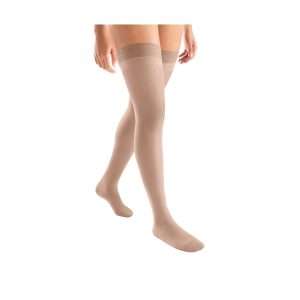
Jobst Activa Sheer Thigh High 20-30 mmHg Modern
$46.40Select options This product has multiple variants. The options may be chosen on the product pageBlackSilky BeigeSun BronzeClearSmallMediumLargeX-Large -
Jobst Activa Sheer Thigh High 8-15 mmHg Modern
$24.00Select options This product has multiple variants. The options may be chosen on the product pageBlackSilky BeigeSun BronzeClearSmallMediumLargeX-Large -
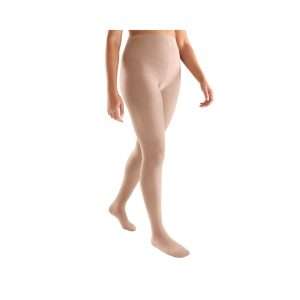
Jobst Activa Sheer Waist High 15-20 mmHg Modern
$41.60Select options This product has multiple variants. The options may be chosen on the product pageBlackSilky BeigeSun BronzeClearSmallMediumLargeX-Large -
Jobst Activa Sheer Waist High 20-30 mmHg Modern
$54.40Select options This product has multiple variants. The options may be chosen on the product pageBlackSilky BeigeSun BronzeClearSmallMediumLargeX-Large -
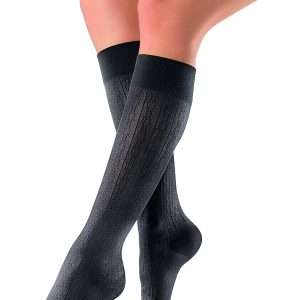
Jobst Activa SoSoft Brocade Knee High 15-20 mmHg Modern
$28.80Select options This product has multiple variants. The options may be chosen on the product pageBlackWhiteOtherClearSmallMediumLargeX-Large -
Jobst Activa SoSoft Brocade Knee High 20-30 mmHg Modern
$33.60Select options This product has multiple variants. The options may be chosen on the product pageBlackWhiteOtherClearSmallMediumLargeX-Large -
Jobst Activa SoSoft Brocade Knee High 8-15 mmHg Modern
$23.20Select options This product has multiple variants. The options may be chosen on the product pageBlackWhiteOtherClearSmallMediumLargeX-Large -
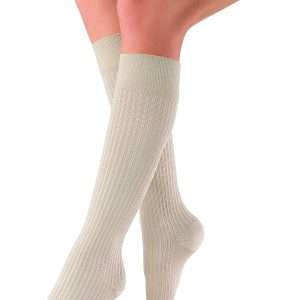
Jobst Activa SoSoft Ribbed Knee High 15-20 mmHg Modern
$28.80Select options This product has multiple variants. The options may be chosen on the product pageBlackWhiteOtherClearSmallMediumLargeX-Large -
Jobst Activa SoSoft Ribbed Knee High 20-30 mmHg Modern
$33.60Select options This product has multiple variants. The options may be chosen on the product pageBlackWhiteOtherClearSmallMediumLargeX-Large -
Jobst Activa SoSoft Ribbed Knee High 8-15 mmHg Modern
$23.20Select options This product has multiple variants. The options may be chosen on the product pageBlackWhiteOtherClearSmallMediumLargeX-Large -
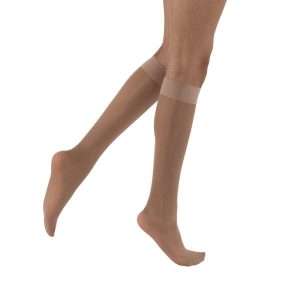
Jobst Activa Ultra Sheer Knee High 9-12 mmHg Legacy
$13.60Select options This product has multiple variants. The options may be chosen on the product pageSuntanBlackClearSmallMediumLargeX-Large -
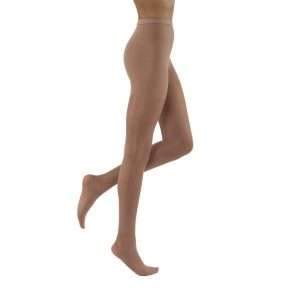
Jobst Activa Ultra Sheer Pantyhose 9-12 mmHg Legacy
$25.60Select options This product has multiple variants. The options may be chosen on the product pageSuntanBlackClearSmallMediumLargeX-Large -
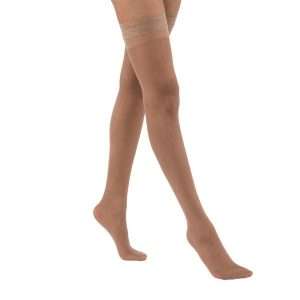
Jobst Activa Ultra Sheer Thigh High 9-12 mmHg Legacy
$20.80Select options This product has multiple variants. The options may be chosen on the product pageSuntanBlackClearSmallMediumLargeX-Large -
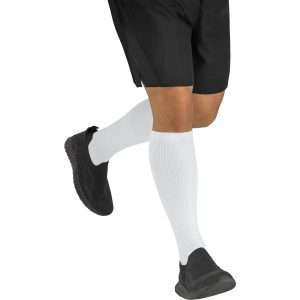
JOBST Athletic Knee High 8-15 mmHg Closed Toe White
$22.40Select options This product has multiple variants. The options may be chosen on the product pageWhiteClearSmallMediumLarge -
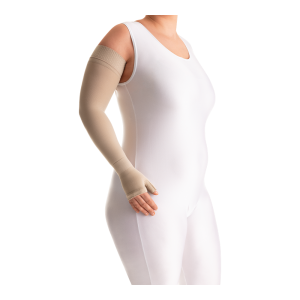
Jobst Bella Lite Combined 15-20 mmHg with Band
$80.00Select options This product has multiple variants. The options may be chosen on the product pageBeigeClearSmallMediumLargeSmall LongMedium LongLarge Long -
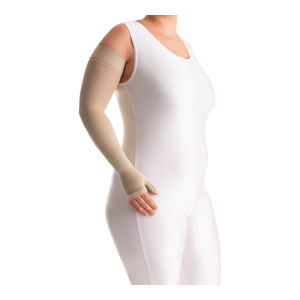
Jobst Bella Lite Combined 15-20 mmHg without Band
$80.00Select options This product has multiple variants. The options may be chosen on the product pageBeigeClearSmallMediumLargeSmall LongMedium LongLarge Long